
The one size quietly costing you the season
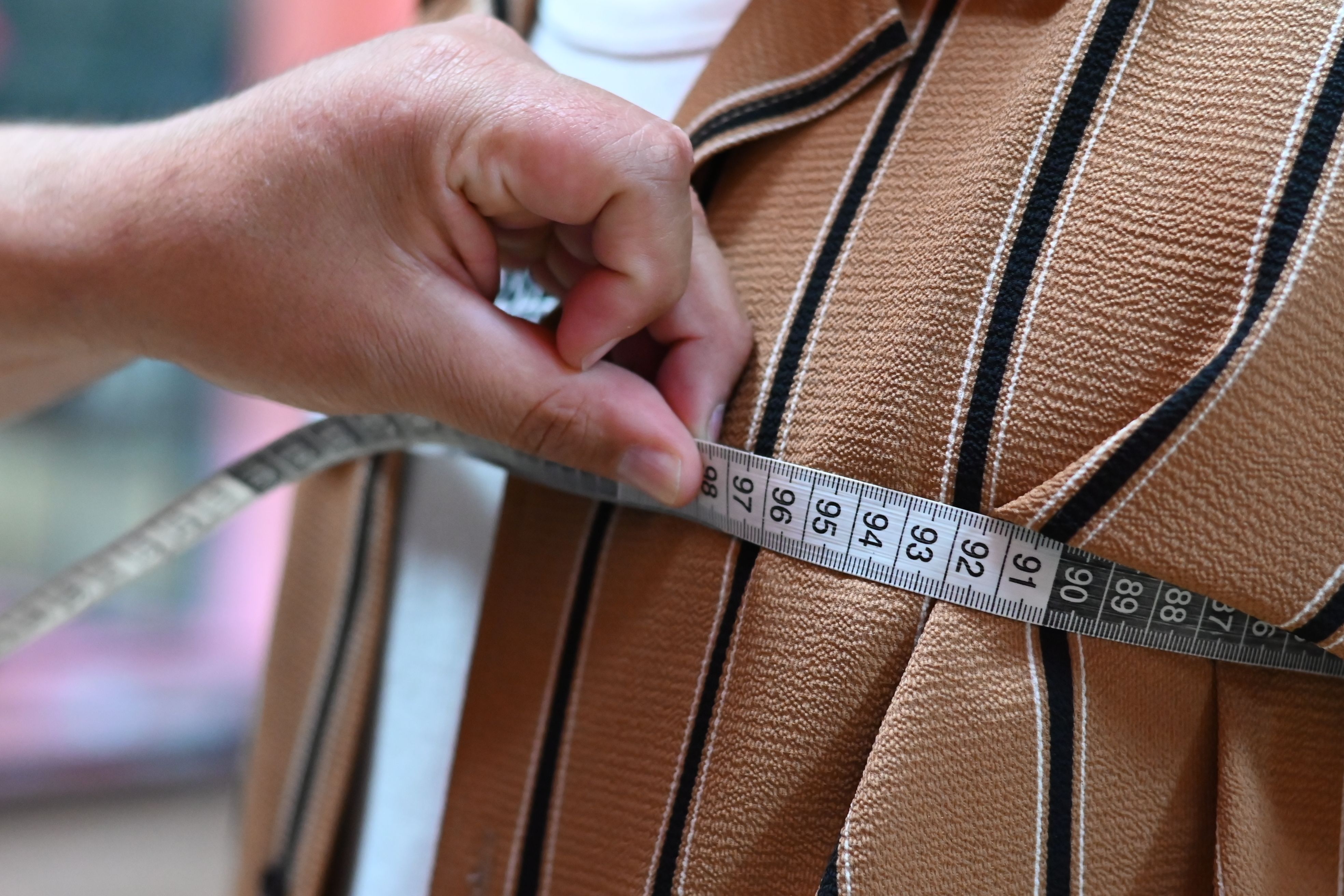
Ask a merchandiser which product is the problem and you get a name. Ask which size is the problem and the room goes quiet.
That gap matters, because in fashion the product is rarely the fault. A coat with a 28% return rate is often three sizes behaving normally and one size behaving very badly. Order the same size curve again and you have bought the problem twice.
Look at the rate per size, not per product. A product does not have a return rate. Its sizes do, and they rarely agree. Break the rate down and the shape of the problem usually appears at once: a long tail on XS, a spike on XL, or a clean split down the middle that says the fit runs small.
Watch which way the exchanges go. An exchange is a customer telling you the size was wrong, not the product. A run of exchanges upward is a garment that runs small. Downward is one that runs large. Either can be fixed on the next production run with a spec change and a note on the size guide.
Do not act on a size with nine units. A size that has sold nine and had three come back is not a 33% problem, it is a small number. Set a floor and hold to it, or you will end up re-cutting a pattern on noise.
Then change the buy, not just the copy. If XL is the problem, order fewer XL and more of the sizes that hold. That one change moves margin more reliably than any amount of fit copy on the product page.
The reason sizes are worth watching is that they are actionable while the season is still live. A product-level return rate tells you something went wrong. A size-level rate tells you what to do about it.

What this looks like in practice
Every product in Reportly carries a return rate per size, alongside the reason customers gave and the direction the exchanges are going. Sizes without enough evidence to judge are marked as such rather than given a number.
When you build the next order, the size split is proposed from what actually sold and held, not from an even spread across the curve.

© All rights reserved. Reportly AI LTD.